
Preguntas frecuentes: PUBLICACIONES EN REDES SOCIALES
La guía completa para optimizar tus campañas de publicidad digital
El nuevo estándar enpublicidad digital
Trusted Social Ads Qué es Trusted Social Ads
Trusted Social Ads un modelo de publicidad digital que combina la segmentación de pago en redes sociales con la distribución a través de editores de medios de confianza, lo que mejora tanto el rendimiento de las campañas como la credibilidad de la marca.
El modelo aborda uno de los principales retos de la publicidad moderna: ¿cómo llegar al público adecuado con la precisión suficiente para generar conversiones, al tiempo que se genera la confianza necesaria para persuadirlo de verdad?
Trusted Social Ads en tres componentes inseparables:
– Fiable: el anuncio se difunde a través de la cuenta en redes sociales de un medio de comunicación de prestigio y reconocido, lo que le confiere inmediatamente su credibilidad
– Redes sociales: la difusión se lleva a cabo en las redes sociales (Facebook, Instagram, TikTok, LinkedIn), donde el público pasa su tiempo e interactúa con los contenidos
– Anuncios: el modelo mantiene todo el rigor de la segmentación precisa, el control presupuestario, KPI y la optimización en tiempo real propios de las redes sociales de pago
Una característica operativa clave es que las campañas se activan y gestionan de forma autónoma directamente desde el Business Manager del anunciante (Meta Ads Manager o equivalente), lo que garantiza el control total sobre los datos, los píxeles y el seguimiento del rendimiento.
💡 Definición básica:
Trusted Social Ads Segmentación precisa en redes sociales de pago + Distribución a través de editores de medios de confianza + Activación autoservicio vía Business Manager = Rendimiento Y credibilidad, al mismo tiempo.
Trusted Social Ads simultáneamente sobre dos factores clave en la decisión de compra:
– La palanca racional: la segmentación precisa garantiza que el anuncio llegue a las personas con mayor probabilidad de estar interesadas en la oferta
– La palanca emocional: el respaldo del socio mediático elimina las barreras psicológicas y el escepticismo de los consumidores
¿Qué es la publicación en redes sociales?
La publicación en redes sociales es una estrategia avanzada de publicidad digital que permite a las marcas distribuir sus campañas directamente a través de las cuentas en redes sociales de editores de confianza, al tiempo que mantienen el control total y la gestión desde su propio Business Manager en un entorno de autoservicio.
Los anunciantes no dependen de la activación externa: las campañas se programan, se lanzan y se optimizan directamente desde su propio BM (Meta Ads Manager o equivalente). Esto les garantiza el control total sobre los datos, los píxeles y la medición del rendimiento, al tiempo que permite una optimización a gran escala en las etapas finales del embudo de conversión.
En lugar de promocionar contenido desde su propia página de marca, el anunciante colabora con un medio de comunicación relevante y de confianza, que distribuye el anuncio como una publicación oculta (o «dark post»), es decir, una publicación patrocinada visible únicamente para el público objetivo, sin aparecer en el feed orgánico del medio.
Ejemplos concretos de colaboraciones en el ámbito de las redes sociales:
– Medios especializados en gastronomía y recetas (por ejemplo, Marmiton, 750g) para marcas de alimentación y de consumo
– Medios de comunicación financieros y económicos (por ejemplo, L’Express, eMarketing) especializados en servicios financieros y de inversión
– Medios de comunicación dirigidos a la familia y a las mujeres (por ejemplo, BIBA, Psychologies Magazine) para servicios orientados a la familia
– Medios deportivos (por ejemplo, RMC Sport, beIN Sports) para marcas de deporte y ocio
– Medios de comunicación especializados en el sector del automóvil (por ejemplo, Auto Plus, Auto Journal) para empresas del sector
Para el público, el anuncio se percibe menos como una interrupción publicitaria y más como una recomendación o un contenido de valor añadido procedente de una fuente de confianza.
Este mecanismo de transferencia de credibilidad es precisamente lo que hace que la publicación en redes sociales sea tan eficaz.
💡 En resumen:
Publicación en redes sociales = Tu mensaje publicitario + La credibilidad de un medio de comunicación reconocido + La precisión de la segmentación de pago en redes sociales + Activación autoservicio a través de Business Manager.
👉 Esta estructura permite a los anunciantes combinar confianza, control y rendimiento, especialmente en los objetivos de la parte inferior del embudo.
Trusted Social Ads En qué se diferencia la publicación en redes sociales de Trusted Social Ads
– Publicación en redes sociales = estrategia de distribución y editorial
→ Alcance, visibilidad y respaldo de los medios
– Trusted Social Ads = enfoque basado en el rendimiento y la confianza
→ ROI, conversiones y confianza de los usuarios
En la práctica, ambos conceptos son inseparables.
Cuando una marca lanza una campaña a través de Brands To Medias:
– Utiliza la publicación en redes sociales para difundir contenidos a través de las cuentas de redes sociales propiedad de los medios de comunicación
– Aprovecha Trusted Social Ads para mejorar el rendimiento gracias a la confianza que generan estos medios
👉 El resultado: mayor alcance + mayor credibilidad + mejor rendimiento
¿Cuál es la diferencia entre Trusted Social Ads la publicación en redes sociales Trusted Social Ads Social Publishing Trusted Social Ads y la publicidad de pago en redes sociales estándar?
La principal diferencia radica en quién distribuye el contenido.
– La publicidad de pago estándar en redes sociales muestra los anuncios directamente desde la propia cuenta de la marca en las redes sociales.
– Trusted Social Ads publicación en redes sociales) difunden el mismo contenido a través de la cuenta de redes sociales de un socio mediático.
Este sencillo cambio en la distribución tiene un gran impacto en cómo se percibe el contenido y en su rendimiento.
1. Fuente de distribución
: el marketing en redes sociales de pago estándar utiliza la página de la marca, mientras que la publicación en redes sociales se basa en cuentas de medios consolidadas con audiencias comprometidas.
2. Percepción del público
Los anuncios de una marca se perciben como publicidad directa.
Los anuncios compartidos por un medio colaborador se perciben más como una recomendación editorial de confianza.
3. Alcance y visibilidad
Las campañas distribuidas a través de socios mediáticos generan una mayor visibilidad, con una media de un 24 % más de visualizaciones en comparación con la publicidad de pago estándar en redes sociales.
4. Autenticidad percibida
El contenido publicado a través de las cuentas de los medios de comunicación se percibe como más auténtico, alcanzando niveles similares a los del contenido generado por los usuarios (UGC) (hasta 2,4 veces más credibilidad).
5. Rendimiento del algoritmo
Las páginas de marca suelen tener un alcance algorítmico menor, sobre todo si son menos activas.
Los socios mediáticos se benefician de una gran autoridad y de un alto nivel de interacción, lo que hace que las campañas sean más resistentes y escalables.
6. Rentabilidad (CPA)
La publicidad de pago en redes sociales estándar ofrece un coste por adquisición de referencia.
Trusted Social Ads de un rendimiento basado en la confianza, lo que se traduce en un CPA más eficiente.
7. Calidad del tráfico
Los clics de los anuncios estándar son más genéricos.
Trusted Social Ads tráfico precalificado, lo que se traduce en menores tasas de rebote y una mayor interacción.
Las publicaciones en redes sociales generan atención y confianza.
👉 Esa es la diferencia entre un anuncio que la gente ve… y uno en el que realmente cree y con el que interactúa.
¿Qué es una publicación oculta y cómo funciona en Trusted Social Ads Social Publishing?
Una publicación oculta (también conocida como «publicación patrocinada oculta») es una publicación publicitaria que no aparece en el feed orgánico de la página que la distribuye. Solo es visible para los usuarios a los que se dirige explícitamente a través del gestor de publicidad de la plataforma. En el contexto de Trusted Social Ads Social Publishing, la marca crea una publicación oculta atribuida a la página del socio mediático. Solo el público objetivo ve este anuncio, que tiene el aspecto de una publicación normal del medio de comunicación.
Ventajas clave de las publicaciones ocultas en las redes sociales
– Confidencialidad: la campaña no es visible públicamente en la página del socio mediático
– Precisión: segmentación ultraprecisa basada en datos propios sobre demografía, intereses, comportamientos y medios de comunicación
– A/B testing: posibilidad de probar varias variantes creativas al mismo tiempo
– Autenticidad: el anuncio se integra de forma natural en el feed de noticias del usuario
– Control: la marca conserva el control total sobre su mensaje, su presupuesto y KPIs
📌 Conclusión clave: La publicación en redes sociales y Trusted Social Ads dos facetas del mismo modelo publicitario. Una se refiere al canal (la publicación a través de los medios), y la otra, al beneficio (la confianza que se transmite al anuncio). Brands To Medias ambas simultáneamente.
Ventajas y rendimiento
de la publicación en redes sociales
¿Qué ventajas ofrece la publicación en redes sociales a los anunciantes?
La adopción de la publicación en redes sociales a través de Brands To Medias ventajas competitivas que se articulan en torno a cuatro pilares estratégicos:
Pilar 1: Mayor visibilidad y participación
Un anuncio respaldado por un medio de comunicación de confianza se beneficia de inmediato de un mayor alcance y una mayor interacción. Los algoritmos de las redes sociales favorecen los contenidos publicados por páginas con altos índices de autoridad y un sólido historial de interacción. Las tasas de clics y de interacción son significativamente más altas que en la publicidad de pago estándar en redes sociales.
Pilar 2: Mayor credibilidad y confianza (el núcleo de la publicación social)
Asociar su marca a un medio de comunicación reconocido genera una transferencia inmediata de imagen positiva. Este respaldo mediático resulta especialmente decisivo en sectores en los que la confianza constituye una barrera importante para la compra: finanzas, sanidad, seguros, inmobiliaria y servicios jurídicos.
Pilar 3: Optimización del retorno social de la inversión
Las publicaciones en redes sociales logran un equilibrio entre el rendimiento a corto plazo y la consolidación de la marca a largo plazo. El aumento de la confianza reduce el CPA al mejorar las tasas de conversión, al tiempo que refuerza el reconocimiento de marca y el valor percibido.
Pilar 4: Diferenciación en un mercado saturado
A medida que la publicidad de pago en redes sociales convencional alcanza sus límites y los CPM aumentan, la publicación en redes sociales ofrece una vía clara para diferenciarse. Ya no te limitas a dirigirte a una audiencia, sino que llegas a ella a través de un canal que ya ha elegido y en el que confía.
¿Por qué es tan eficaz la publicación en redes sociales?
La publicación en redes sociales es eficaz porque está diseñada para integrarse de forma nativa; combina el alcance, la confianza y la integración nativa en la experiencia del usuario.
En lugar de presentarse como un anuncio tradicional de una marca, el contenido se distribuye a través de cuentas de medios de confianza, lo que mejora considerablemente tanto la percepción como los resultados.
El contenido se integra de forma natural en el feed social del usuario, por lo que parece menos un anuncio y más contenido relevante.
Esto reduce la fatiga publicitaria, algo especialmente importante cuando el 59 % de los usuarios se siente abrumado por la publicidad tradicional de las marcas.
¿Qué efecto tiene el uso de medios publicitarios en la tasa de rebote y la duración de la sesión?
El impacto de las redes sociales va mucho más allá del clic, con efectos cuantificables en el comportamiento del usuario tras el clic:
Hacer clic en un anuncio estándar
– El usuario llega con un cierto escepticismo inicial
– Alta tasa de rebote si la promesa no se cumple de inmediato
– Señal negativa para los motores de búsqueda
Haga clic en «Publicación en redes sociales»
– El usuario llega con una impresión positiva previa (clic precalificado por la confianza)
– Una tasa de rebote considerablemente menor
– Una mayor duración de la sesión es una señal positiva para el SEO
– Mayor probabilidad de conversión desde el punto de vista técnico
Impacto indirecto en el SEO: Una tasa de rebote baja y una duración de sesión elevada son señales de comportamiento que Google tiene en cuenta para evaluar la calidad de la página. Trusted Social Ads mejoran Trusted Social Ads tu posicionamiento en los resultados de búsqueda orgánica.
¿Cómo reduce la publicación en redes sociales el coste por adquisición (CPA)?
La reducción del CPA mediante la publicación en redes sociales se rige por una ecuación sencilla: Confianza ↑ → Conversión ↑ → CPA ↓.
El mecanismo de cuatro pasos:
- El usuario ve el anuncio en la página de un medio de comunicación al que sigue y respeta
- La credibilidad de los medios se traslada a la oferta de la marca (respaldo implícito)
- El usuario hace clic con mayor determinación y menos escepticismo
- Aumento de la tasa de conversión → Disminución automática del CPA
Este mecanismo resulta especialmente eficaz en sectores en los que existe un alto nivel de desconfianza (seguros, sanidad, finanzas, inmobiliario), donde demostrar la fiabilidad es un requisito previo para la compra.
Brands To Medias
la plataforma de publicaciónsocial :
¿Por qué elegir Brands To Medias tus campañas de publicación en redes sociales?
Brands To Medias el socio tecnológico y estratégico líder en la implementación de la publicación en redes sociales a gran escala. Tres ventajas distintivas:
1. El catálogo de socios mediáticos más amplio del mercado
Con más de 250 marcas de medios en su cartera, Brands To Medias cada anunciante encuentre los socios que mejor se adapten a su público objetivo y a los valores de su marca. Esta diversidad permite desarrollar estrategias de publicación en redes sociales adaptadas a cualquier escala, desde pymes locales hasta marcas nacionales dirigidas a segmentos de mercado específicos.
2. The Medias Business Manager: tecnología propia
La plataforma centraliza y simplifica todo el proceso de publicación en redes sociales: selección de medios, gestión de campañas, validación de creatividades y análisis de resultados. Usted conserva la plena propiedad de sus datos y píxeles, con una integración perfecta en su ecosistema publicitario actual (Meta Ads Manager, Google Analytics, DMP, etc.).
3. Experiencia estratégica y apoyo humano
Nuestros equipos te ayudan a definir la Trusted Social Ads adecuada Trusted Social Ads , a seleccionar los socios mediáticos más relevantes y a optimizar continuamente tus campañas para obtener el máximo retorno de la inversión.
¿Cómo funciona el gestor de negocios Brands To Medias ?
Medias Business Manager es la plataforma Brands To Medias para gestionar tus campañas de publicación en redes sociales.
El proceso de seis pasos:
- Búsqueda y selección: filtros avanzados en el catálogo multimedia (tema, público, rendimiento histórico, valores editoriales, tamaño de la comunidad)
- Configuración de la campaña: define los objetivos, los públicos objetivo y los presupuestos directamente en la interfaz
- Envío de material creativo: sube imágenes, vídeos y textos publicitarios para que los validen los socios mediáticos
- Validación colaborativa: los medios revisan y aprueban el contenido dentro de un flujo de trabajo optimizado
- Distribución y seguimiento: seguimiento en tiempo real del CTR, el CPC, el CPA y el ROAS por canal y por público
- Optimización continua: ajusta los presupuestos y las creatividades basándote en datos de rendimiento en tiempo real
¿Qué tipos de medios hay disponibles en el Brands To Medias ?
El catálogo incluye más de 250 marcas de medios del panorama mediático francés e internacional:
– Noticias y política: medios de comunicación de información general, prensa regional
– Finanzas y economía: prensa económica, medios especializados en inversiones, fiscalidad
– Salud y bienestar: revistas de salud, nutrición, medicina preventiva
– Familia y crianza: medios dirigidos a mujeres, crianza de los hijos, educación infantil
– Automoción: prensa especializada en automoción, comparadores, guías de compra de vehículos
– Deporte y fitness: medios deportivos, running, nutrición deportiva
– Tecnología e innovación: alta tecnología, startups, inteligencia artificial
– Inmobiliaria y hogar: decoración, reformas, inversión inmobiliaria
– Comida y gastronomía: recetas, estilo de vida, restaurantes
– Lujo y moda: moda, premium , belleza de alta gama
– Educación y formación: aprendizaje en línea, medios de comunicación estudiantiles, orientación profesional
– Viajes y turismo: destinos, comparadores, guías de viaje
🎯 Es bueno saberlo: Brands To Medias una selección de entre 2 y 5 medios muy relevantes, en lugar de una distribución amplia, un enfoque específico que maximiza el impacto de la publicación en redes sociales.
PUBLICACIONES EN REDES SOCIALESY GEO
¿Qué papel desempeña la publicación en redes sociales en las estrategias GEO?
Social Publishing ayuda a las marcas a generar señales de contenido distribuido, fiables y de gran autoridad, a través de editores de medios reconocidos en las plataformas sociales.
Estas señales pueden reforzar la visibilidad y la credibilidad de una marca en los motores de IA generativa, que dan prioridad a las fuentes fiables y ricas en contexto a la hora de generar respuestas.
¿Cómo influye la publicación en redes sociales en la optimización de motores generativos (GEO)?
Al aprovechar una distribución de contenidos en medios de confianza, Social Publishing aumenta:
- menciones de la marca en entornos de referencia
- relevancia contextual en los ecosistemas sociales y editoriales
- la percepción de fiabilidad del contenido de marca
Estos elementos pueden mejorar la forma en que los motores generativos interpretan, clasifican y muestran la información relacionada con la marca.
¿Es la publicación en redes sociales solo una herramienta para la captación de tráfico?
No. Más allá del marketing de resultados ( KPIs de la parte inferior del embudo), la publicación en redes sociales también actúa como una capa estratégica de visibilidad, reforzando:
- prestigio de la marca
- credibilidad del contenido
- detectabilidad a largo plazo en entornos impulsados por la IA (GEO)
Estrategia y buenas prácticas
¿Cuáles son las claves para llevar a cabo una campaña de publicación en redes sociales con éxito?
Hay cuatro pilares que determinan el éxito de una campaña de publicación en redes sociales:
1. Creatividades nativas adaptadas al medio colaborador
Tus elementos visuales y vídeos deben ajustarse a la identidad visual y al tono editorial del medio colaborador. El objetivo es que el anuncio se perciba como contenido de valor añadido. Una creatividad que desentone con el estilo habitual del medio romperá el efecto de respaldo y se identificará inmediatamente como publicidad intrusiva.
2. Segmentación que aprovecha los datos propios de los medios
El poder de la publicación en redes sociales reside también en el acceso a los datos propios de los medios: lectores activos, suscriptores a boletines por temática y perfiles de comportamiento detallados que te permiten llegar a las personas más receptivas a tu oferta.
3. Una gestión rigurosa y una optimización continua
Las publicaciones en redes sociales no son una estrategia de «poner y olvidar». Supervisa tus KPIs tiempo real a través de Medias Business Manager: CTR, CPC, CPA, ROAS, y ajusta los presupuestos y las creatividades en función del rendimiento por medio y por público.
4. La calidad prima sobre la cantidad de socios mediáticos
Empieza por 2 o 3 medios muy relevantes y con un alto nivel de interacción, en lugar de repartir tu presupuesto entre muchos editores. Un enfoque específico te permite establecer una relación más sólida con cada público, analizar los resultados con mayor precisión y optimizar la campaña antes de ampliarla progresivamente.
¿Cómo se garantiza la coherencia entre la imagen de la marca y la del socio mediático?
La coherencia entre los valores de la marca y la línea editorial del medio es una condición indispensable para el éxito de una campaña de publicación en redes sociales:
- Selección informada: filtra los medios por tema, valores editoriales, tipo de público e indicadores de rendimiento
- Total transparencia antes de comprometerse: analiza el contenido publicado en los medios, el tono y las interacciones con la comunidad; nada de anuncios a ciegas
- Doble validación creativa: la marca propone y el medio aprueba o sugiere ajustes para garantizar la coherencia editorial
- La decisión final recae en la marca: tú eliges activamente los medios que reforzarán tu imagen
¿Quién aprueba el material creativo definitivo: la marca o el medio?
La validación es un proceso colaborativo en el que ambas partes tienen derechos de revisión y aprobación. Este flujo de trabajo de doble validación constituye una garantía de calidad esencial de Social Publishing:
- La marca presenta sus creatividades (imágenes, vídeos, textos) orientadas a sus objetivos de marketing
- El medio revisa y aprueba el contenido o sugiere modificaciones para garantizar la coherencia editorial, y se reserva el derecho a rechazarlo.
- Intercambios dentro del flujo de trabajo integrado de Medias Business Manager
- Aprobación mutua y lanzamiento de la campaña
Este doble control garantiza que la marca mantenga su mensaje y que los medios protejan su credibilidad. El resultado es una publicación en redes sociales que se ajusta a los objetivos de la marca y se integra a la perfección en el contexto editorial.
¿Cómo se gestionan los comentarios en las publicaciones en redes sociales?
La gestión de los comentarios es una responsabilidad compartida entre la marca y los medios de comunicación:
El papel de los medios de comunicación
– Moderación proactiva y mantenimiento de un entorno de debate constructivo
– Responder a preguntas generales y filtrar el spam o el contenido inapropiado
El papel de la marca
– Responder a preguntas técnicas y solicitudes de aclaración sobre la oferta
– Ofrecer conocimientos especializados sobre los productos a través de la Brands To Medias
🎯 Objetivo: Convertir la sección de comentarios en un recurso de la campaña, un espacio para el intercambio positivo, el apoyo y nuevas oportunidades de conversión.
Medición, presentación de informes y optimización de
Publicación en redes sociales
¿Qué KPIs monitorizar para medir la eficacia de las campañas de publicación en redes sociales?
Una campaña de publicación en redes sociales de alto rendimiento se gestiona a través de un panel de control de varios niveles:
KPIs) de distribución
– Impresiones y alcance: número total de visualizaciones y usuarios únicos alcanzados
– Frecuencia: promedio de exposiciones por usuario
– CPM (coste por cada mil impresiones): rentabilidad de la difusión
KPIs) de interacción
– CTR (porcentaje de clics): porcentaje de impresiones que generaron un clic en el anuncio social de confianza
– CPC (coste por clic): coste medio de un clic
– Índice de interacción («Me gusta», comparticiones, comentarios) por socio mediático
KPIs) del tráfico posterior al clic
– Sesiones y usuarios generados por la campaña
– Tasa de rebote y duración media de la sesión
– Comportamiento de navegación y páginas más visitadas
KPIs) de conversión
– CPA (coste por adquisición): coste que supone captar un cliente
– CPL (coste por cliente potencial): coste de generar un cliente potencial cualificado
– ROAS (retorno de la inversión publicitaria): ingresos generados por cada libra/euro invertido
– LTV (valor del ciclo de vida) de las adquisiciones a través de las redes sociales frente a otros canales
¿Cómo se optimiza continuamente una campaña de publicación en redes sociales?
La optimización continua es la clave para maximizar el retorno de la inversión en la publicación en redes sociales:
- Análisis del rendimiento por canal: identifica los canales que generan el mejor CTR, el CPA más bajo y el mejor ROAS. Concentra los presupuestos en los canales con mejor rendimiento.
- A/B testing creatividades: prueba de forma sistemática los elementos visuales, los titulares y las llamadas a la acción para identificar los mensajes que mejor conectan con la audiencia de cada medio
- Optimización de la audiencia: cruzar los datos de rendimiento con los segmentos de audiencia para identificar los perfiles más receptivos y ajustar la segmentación
- Gestión de la frecuencia: evita la saturación de la audiencia controlando la frecuencia de exposición y actualizando periódicamente los creativos
- Ampliación progresiva: una vez identificados los medios y las creatividades óptimos, amplíe la campaña a nuevos medios aprovechando los conocimientos adquiridos.
Algoritmos, resiliencia y
Visión a largo plazo
¿Por qué las publicaciones en redes sociales generan más interacción en las redes sociales?
La superioridad de Social Publishing en materia de interacción se basa en dos factores complementarios:
Factor 1: La psicología de la confianza
Los usuarios mantienen una relación consolidada con los medios que siguen. Cuando un anuncio social de confianza aparece en la página de ese medio, se beneficia de un halo de confianza. El mensaje pasa de «una marca está intentando venderme algo» a «un medio que valoro me recomienda esta solución», lo que reduce las barreras cognitivas y fomenta la interacción.
Factor 2: Preferencia algorítmica
Las plataformas como Meta dan prioridad al contenido publicado por páginas con altos índices de autoridad (antigüedad, tamaño de la comunidad, interacción histórica). Un medio de comunicación importante goza de mucha más autoridad que una página de marca normal, lo que genera un círculo virtuoso: confianza → interacción → amplificación algorítmica → mayor alcance.
¿Cómo consigue Brands To Medias el rendimiento ante los cambios en los algoritmos?
La coherencia entre los valores de la marca y la línea editorial del medio es una condición indispensable para el éxito de una campaña de publicación en redes sociales:
– La publicación en redes sociales a través de Brands To Medias una protección estructural frente a la volatilidad de los algoritmos:
– Medios de comunicación consolidados: su peso algorítmico está mucho menos sujeto a fluctuaciones que el de una página de marca de reciente creación
– Diversificación del riesgo: la distribución a través de múltiples medios de comunicación sólidos atenúa el impacto de cualquier cambio en los algoritmos
– Agilidad de los socios mediáticos: los principales medios de comunicación adaptan constantemente su estrategia de contenidos, lo que te permite beneficiarte indirectamente de su capacidad de adaptación
– Menor dependencia de las plataformas de las grandes tecnológicas: tu estrategia se basa en el valor duradero de la autoridad editorial
🔐 Ventaja competitiva: La publicación en redes sociales transforma la autoridad mediática en un escudo contra la volatilidad algorítmica, una protección estructural que no se puede adquirir directamente en las plataformas.
¿Son las redes sociales compatibles con una estrategia de SEO?
Sí, las redes sociales y el SEO son complementarios y se potencian mutuamente:
– El tráfico de calidad reduce la tasa de rebote y aumenta la duración de las sesiones → señales de comportamiento positivas para Google
– Las publicaciones en los medios de comunicación pueden generar enlaces naturales si los medios crean contenido editorial relacionado con la campaña
– El reconocimiento de marca que se consigue a través de la publicación en redes sociales reduce los costes de las campañas de búsqueda (los usuarios que han visto que un medio de confianza respalda tu marca son más propensos a buscar directamente el nombre de tu marca)
– La asociación con medios de comunicación de prestigio refuerza tu E-E-A-T (experiencia, conocimientos especializados, autoridad y fiabilidad) tal y como lo percibe Google
Publicación en redes sociales para pymesy empresas de tamaño intermedio (ETI)
¿Es el «social publishing» accesible para las pymes y las empresas del mercado medio?
Sí, y este es uno de los principales puntos fuertes del Brands To Medias ». Contrariamente a lo que se suele creer, la publicación en redes sociales no es un privilegio exclusivo de las grandes empresas. De hecho, las pymes y las empresas del mercado medio se encuentran en una posición ideal para aprovecharla, por varias razones estructurales.
Por qué las pymes y las empresas del mercado medio se encuentran en una posición especialmente favorable:
– Acceso inmediato a la credibilidad: una pyme desconocida para el gran público se beneficia de inmediato de la autoridad del medio de comunicación asociado, algo que años de comunicación directa no lograrían ni de lejos con tanta rapidez
– Flexibilidad presupuestaria: el Brands To Medias está diseñado para adaptarse a una amplia variedad de presupuestos, por lo que no es necesario realizar una inversión cuantiosa para poner en marcha una primera campaña
– Nichos y especialización: las pymes suelen operar en mercados nicho; el Brands To Medias incluye medios de comunicación altamente especializados que te permiten llegar precisamente a esos públicos
– Competitividad inmediata: una pyme que utiliza la publicación en redes sociales se sitúa al instante al mismo nivel de credibilidad que un líder del mercado; la asociación de medios de comunicación elimina la brecha de notoriedad
¿Pueden las empresas medianas llevar a cabo campañas multimedia por su cuenta?
Sí, Medias Business Manager está diseñado específicamente para ofrecer un control total y práctico. Una empresa del mercado medio que cuente con un equipo de marketing puede gestionar simultáneamente múltiples campañas en diferentes medios de comunicación, cada una con objetivos, creatividades y presupuestos distintos, todo ello desde una única interfaz centralizada. El Brands To Medias sigue estando disponible para ofrecer apoyo estratégico cuando sea necesario, pero no es un intermediario obligatorio en cada activación.
¿Por qué le conviene a una pyme utilizar las redes sociales?
Sí, Medias Business Manager está diseñado específicamente para ofrecer un control total y práctico. Una empresa del mercado medio que cuente con un equipo de marketing puede gestionar simultáneamente múltiples campañas en diferentes medios de comunicación, cada una con objetivos, creatividades y presupuestos distintos, todo ello desde una única interfaz centralizada. El Brands To Medias sigue estando disponible para ofrecer apoyo estratégico cuando sea necesario, pero no es un intermediario obligatorio en cada activación.
¿Por qué pueden las agencias considerar esto como una oportunidad estratégica?
Porque el mercado exige cada vez más formatos que sean a la vez creíbles y orientados a los resultados. Las agencias que son capaces de ofrecer soluciones como la publicación en redes sociales demuestran que comprenden claramente los retos actuales en materia de confianza y captación de la atención. Esto les ayuda a posicionarse como socios más avanzados y con visión de futuro.
Brands To Medias : haz hincapié en la vertiente consultiva, no solo en la ejecución.
Ejemplo: una agencia puede reforzar su recomendación explicando por qué un medio de comunicación mejora la percepción de la marca, mientras que otro impulsa los resultados.
💡 Consejo de experto: Para una primera campaña dirigida a pymes o empresas medianas, Brands To Medias empezar con uno o dos medios de comunicación muy específicos, un mensaje contundente y un objetivo de conversión preciso (generación de clientes potenciales, registro o compra). El retorno de la inversión se hace visible rápidamente, lo que te permite ajustar tu estrategia antes de ampliar la campaña.
Brands To Medias
para agencias
Brands To Medias una solución específica para agencias de medios y digitales?
Principales ventajas del modelo Brands To Medias de Brands To Medias :
– Gestión multicliente: acceso a un panel de control centralizado para gestionar campañas de varios anunciantes al mismo tiempo
– Informes de marca blanca: exportación de informes de rendimiento con la marca de la agencia para realizar presentaciones fluidas a los clientes
– Diferenciación de la oferta: Trusted Social Ads un atractivo complemento que las agencias pueden ofrecer a sus clientes como complemento a la publicidad clásica en redes sociales
– Acceso prioritario: las agencias colaboradoras disfrutan de acceso preferente a los nuevos temas y medios de comunicación a medida que se añaden al catálogo
🎯 Para agencias: Ponte en contacto con el Brands To Medias para conocer las condiciones de colaboración para agencias y las opciones de licencias para múltiples clientes.
Sí, Brands To Medias una oferta específica para agencias de medios, agencias digitales y agencias de comunicación. Las agencias pueden integrar la publicación en redes sociales en los planes de medios de sus clientes y gestionar carteras de múltiples anunciantes desde una única interfaz unificada.
Formatos publicitarios disponibles
¿Qué formatos publicitarios hay disponibles para la publicación en redes sociales?
La publicación en redes sociales a través de Brands To Medias todos los formatos nativos que ofrecen las plataformas sociales. La elección del formato depende del objetivo de la campaña, el tipo de contenido y las especificaciones de los medios asociados.
Formatos disponibles por plataforma:
– Facebook e Instagram: imagen estática, vídeo (hasta 60 segundos en el feed, 15 segundos en Stories/Reels), carrusel (hasta 10 imágenes), colección, Lead Ads (formulario de captación nativo)
– TikTok: vídeo vertical (se recomienda el formato 9:16), Spark Ads (para potenciar el contenido orgánico ya publicado por el medio), vídeo In-Feed
– LinkedIn: imagen estática, vídeo, artículo patrocinado, carrusel, formularios de generación de clientes potenciales (formulario nativo de la plataforma)💡 Consejo sobre el formato: los vídeos cortos (de 6 a 15 segundos) y el carrusel ofrecen sistemáticamente los mejores resultados en Trusted Social Ads fomentan la interacción y permiten mostrar múltiples aspectos de la oferta. Los anuncios de clientes potenciales y los formularios de generación de clientes potenciales son especialmente eficaces para las campañas centradas en el CPL.
📌 Es bueno saberlo: estos plazos se acortan considerablemente a partir de la segunda campaña, una vez que se han identificado los medios de comunicación asociados y se ha establecido la relación. Los anunciantes habituales suelen lanzar sus campañas en un plazo de 2 a 3 días.
Brands To Medias Internacional
¿Se Brands To Medias fuera de Francia?
Sí, Brands To Medias los anunciantes que desean lanzar Trusted Social Ads fuera de las fronteras francesas. Aunque el núcleo del catálogo se centra en el mercado francés, la plataforma permite desarrollar estrategias transfronterizas e internacionales a través de dos enfoques principales.
Dos enfoques para las campañas internacionales:
– Medios de comunicación franceses con audiencia internacional: varios medios del catálogo tienen un alcance significativo fuera de Francia (Bélgica, Suiza, España). La segmentación geográfica de pago en redes sociales permite dirigir las campañas a estos mercados a través de los mismos medios asociados
– Ampliación del catálogo fuera de Francia:
Brands To Medias incorporando progresivamente medios de comunicación asociados a nivel europeo e internacional. Los anunciantes que deseen lanzar campañas en Bélgica, Suiza, Canadá, México, España, Alemania, Estados Unidos o el Reino Unido pueden ponerse en contacto con el equipo para conocer las opciones de medios disponibles en esas zonas geográficas.
🌍 Para una estrategia internacional: ponte en contacto directamente con el Brands To Medias para recibir un asesoramiento personalizado. Un estratega te guiará a través de las opciones disponibles para tus mercados objetivo y diseñará una estrategia transfronteriza adaptada a tus objetivos.
Casos prácticos y resultados concretos
Caso práctico: ¿Cómo optimizó Les Sherpas su CPA gracias a la publicación en redes sociales?
Les Sherpas, una plataforma de clases particulares en línea, ilustra a la perfección el poder de la publicación en redes sociales en un sector en el que la confianza de los padres es el factor clave para la conversión.
El reto
Les Sherpas se enfrentaban a un elevado coste por adquisición (CPA) en Meta y a la dificultad de convencer a unos padres exigentes que buscaban garantías de calidad y fiabilidad para la educación de sus hijos.
La estrategia de publicación en redes sociales
En colaboración con Brands To Medias, Les Sherpas lanzó una campaña en redes sociales a través de medios con una gran afinidad con el público parental: BIBA, AU FEMININ y la revista PSYCHOLOGIES. Estos medios, reconocidos por su seriedad y su cercanía a las preocupaciones familiares, proporcionaron un respaldo moral y editorial inmediato al servicio de clases particulares.
Los resultados
– Notable mejora en las tasas de clics (CTR) gracias al efecto de las recomendaciones editoriales
– Reducción del coste por cliente potencial (CPL) gracias al tráfico precalificado en función de la confianza
– Mayor tasa de conversión en el sitio web (visitantes más interesados y menos escépticos)
– Mejora de la tasa de rebote y la duración de las sesiones en las páginas de destino
– Aumento de la notoriedad de marca entre un público de padres al que antes resultaba difícil llegar
💬 Lección clave: Ver una recomendación sobre Les Sherpas en la página de la revista Psychologies no se percibe como publicidad por parte de los padres, sino como un consejo sensato procedente de una fuente fiable. Este cambio de percepción es precisamente lo que genera la publicación social.
¿Son adecuadas las publicaciones en redes sociales para sectores en los que existe un alto nivel de desconfianza (seguros, sanidad, finanzas)?
Sí, y es precisamente en estos sectores donde el Social Publishing demuestra su mayor ventaja competitiva. En ámbitos como los seguros, la sanidad, las finanzas, el sector inmobiliario y los servicios jurídicos, el proceso de toma de decisiones es largo, complejo y se caracteriza por una desconfianza estructural hacia las marcas.
Por qué las publicaciones en redes sociales son especialmente eficaces en estos sectores:
– La credibilidad del socio mediático actúa como un atajo hacia la confianza, lo que elimina de inmediato las barreras psicológicas que frenan la compra
– Las campañas publicitarias tradicionales requieren presupuestos enormes para ir acumulando poco a poco un capital de confianza
– La publicación en redes sociales invierte esta dinámica: confianza inmediata = alta tasa de conversión desde las primeras impresiones
Ejemplos de colaboraciones de gran repercusión en el sector de los medios de comunicación:
– Producto de inversión → medios financieros y de información de prestigio (L’Express, TF1 Infos, Capital)
– Seguro médico → revistas de referencia sobre salud (Top Santé, Au Féminin, Grazia, Marie Claire)
– Seguros del hogar → medios especializados en el sector inmobiliario (Maison & Travaux, Marie Claire Maison, Le journal de la Maison)
– Servicios jurídicos → portales de confianza sobre temas jurídicos o económicos (Actionco.fr, B!llions, e.marketing, C’est qui la BOSS )
Resumen:Brands To Medias POR QUÉ Brands To Medias
Trusted Social Ads y la publicación en redes sociales representan la evolución natural de la publicidad de pago en redes sociales en un entorno digital en el que la confianza se ha convertido en el recurso más escaso y valioso. Al aprovechar la autoridad de los socios mediáticos, Brands To Medias te Brands To Medias acceso a una palanca de rendimiento que quizá tus competidores aún no estén utilizando.
Esto es lo que Brands To Medias concretamente:
▶️ Acceso al mayor catálogo de socios mediáticos del mercado: más de 250 medios
▶️ Tecnología propia (Medias Business Manager) para gestionar tus campañas de publicación en redes sociales de forma autónoma
▶️ Dual: validación de marca y medios para campañas coordinadas y de alto rendimiento
▶️ Reducción cuantificable del CPA gracias al efecto del respaldo de los medios
▶️ Capacidad de adaptación ante los cambios en los algoritmos de las redes sociales
▶️Asistencia estratégica especializada en cada fase de tus campañas
¿Estás listo para lanzar tus primeras campañas de publicación en redes sociales?
Ponte en contacto con Brands To Medias solicitar una demostración personalizada de Medias Business Manager.
NO HAY ARTÍCULOS…

→ Skyrock Public se asocia con Brands To Medias
→ Konbini se une a nuestra red de socios mediáticos

→ Por qué Brands To Medias reinventando Social Advertising
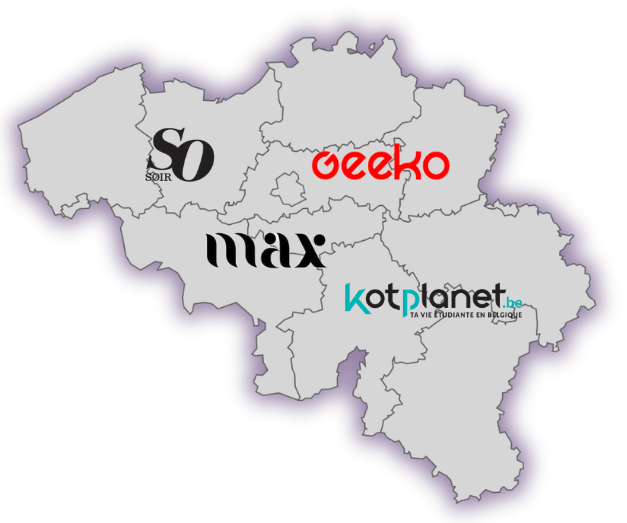
→ Brands To Medias Bélgica con Rossel como socio exclusivo


